

Petroleum-based products enable almost every event in the Games
The 2026 Winter Olympics represent the pinnacle of human athletic achievement, but they also represent a triumph of materials science. While some call for a ‘fossil-free’ future for the Games, the reality on the ice and snow tells a different story. Nearly every piece of equipment used to keep athletes safe and fast – from helmets to high-tech wax – is derived from oil and natural gas.
These petroleum-based materials are the indispensable foundation that makes modern winter sports possible, and their journey begins in the vast energy infrastructure that companies like Energy Transfer operate every day. Here are just a few examples.
Downhill Skiing
Downhill skiing has been a staple of the Winter Olympics since 1936, but the equipment has evolved from simple wooden planks into precision-engineered composites. Modern skis are a masterclass in materials science. Polymers provide the strength and flexibility needed to carve through ice at high speeds, while petroleum-based wax coatings are essential for reducing friction between the skis and the snow, helping athletes maintain control on steep, fast courses.

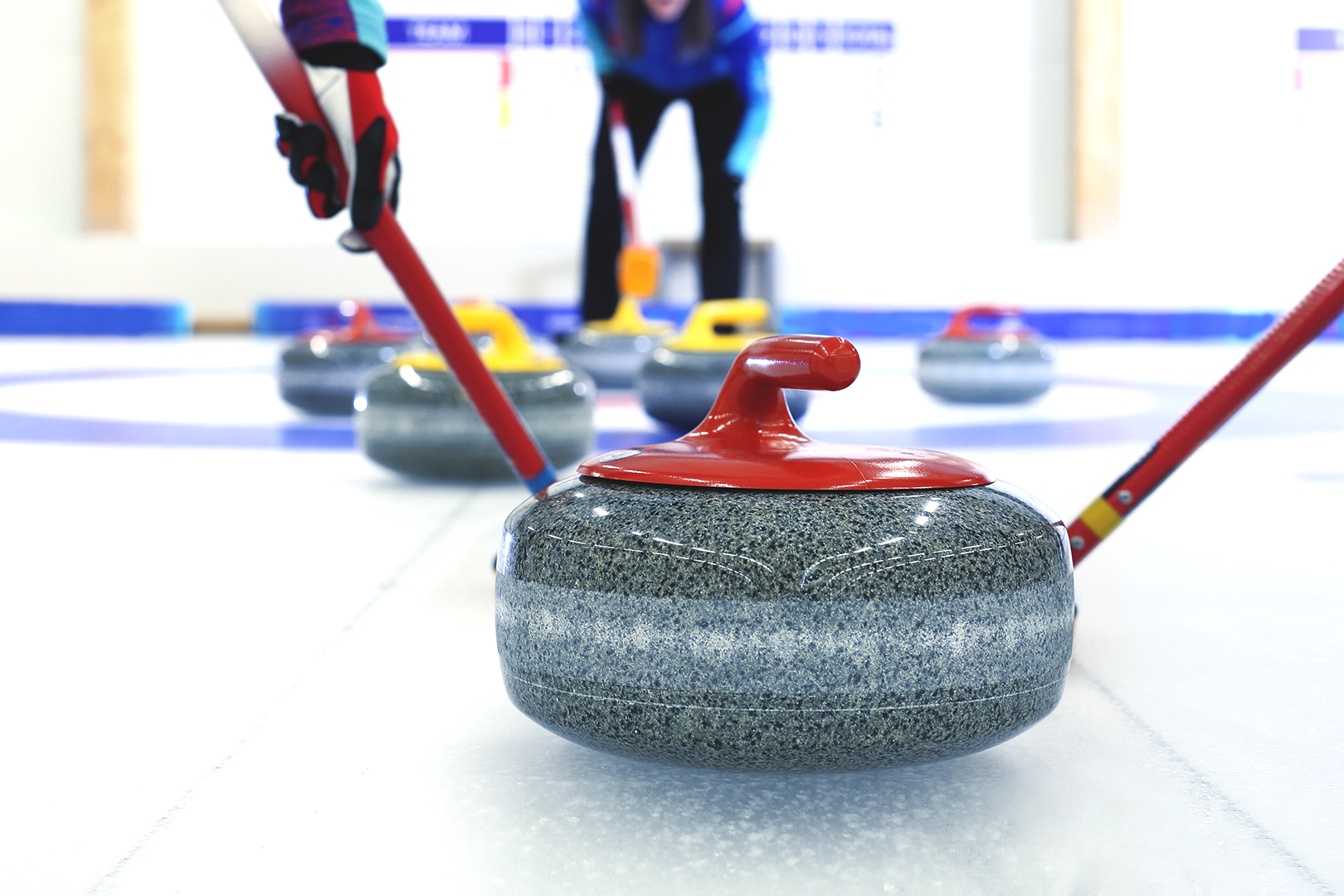
Curling
Curling may be one of the oldest sports in the lineup, dating back to the 16th century, but today’s gear is cutting-edge. Designed for breathability and movement, the custom-engineered uniforms worn by the athletes are made from synthetic polymers such as polyester and nylon. The pads used to sweep the ice are often made from Cordura nylon or urethane-coated fabrics, which generate the precise amount of heat needed to influence the stone’s path.
Skating
Whether it’s the power of speed skating or the artistry of figure skating, the equipment relies on high-performance plastics. The boots of modern skates use reinforced nylon and synthetic materials to transfer power more efficiently and provide the rigid support needed for quadruple jumps or tight turns.Even the ice itself often relies on oil and natural gas. Many rinks use a petroleum-derived chemical called propylene glycol in their refrigeration systems to maintain a consistent temperature.

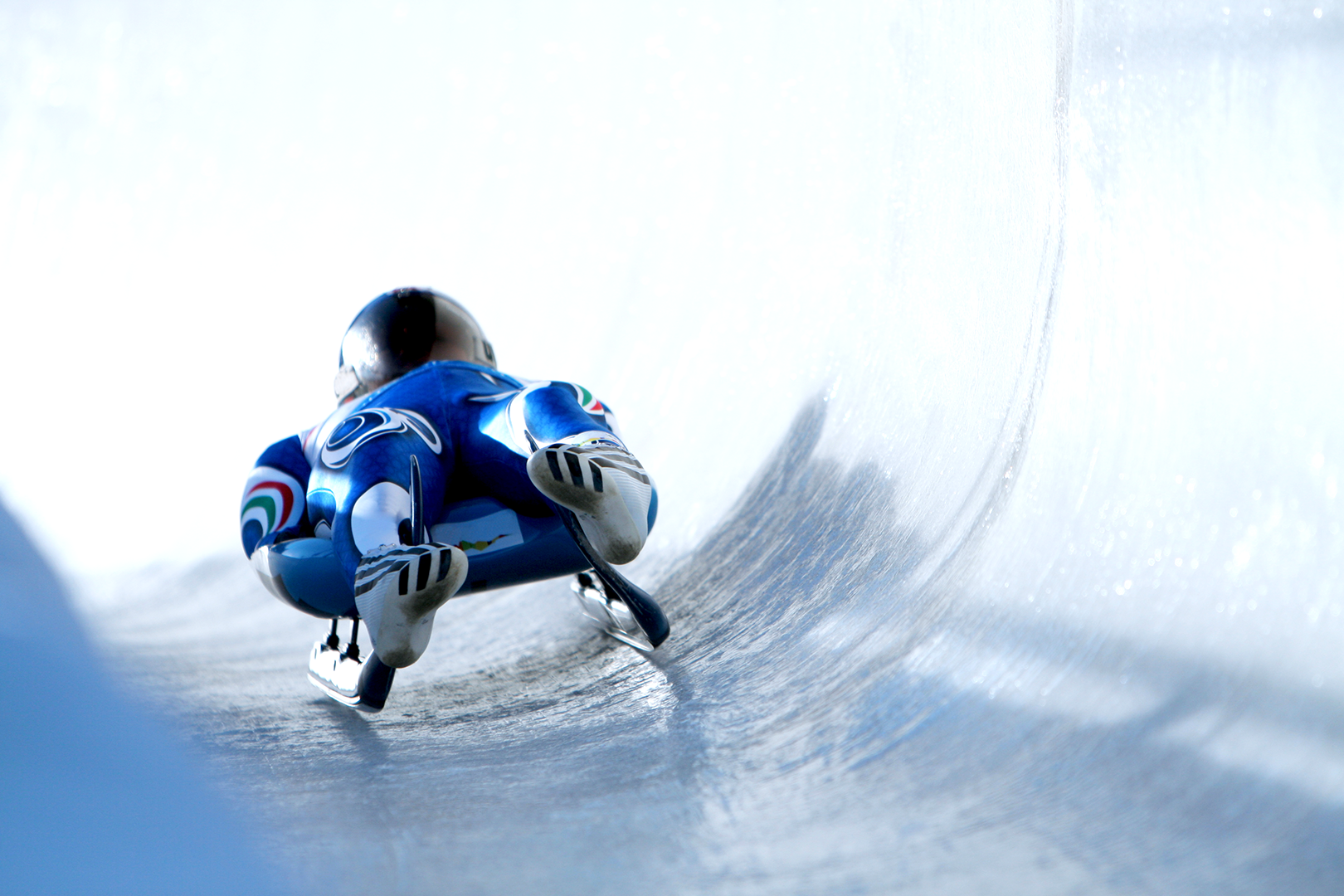
Luge
Luge is a sport where every millisecond counts. To reach speeds exceeding 85 mph, athletes use gear engineered for maximum aerodynamics. The luge sleds and aerodynamic helmets are crafted from lightweight, high-strength composites like fiberglass and carbon fiber, which are derived from oil and natural gas. Lugers’ polyurethane (another polymer) race suits are designed to minimize air resistance, essentially acting as a “second skin” for the slider.
Hockey
With over 20 pieces of protective gear per player, hockey is arguably the most equipment-intensive sport in the Winter Games. Traditional wood hockey sticks have been replaced by carbon fiber composite sticks, which are lighter and generate more power on slap shots. Even the puck is made of vulcanized (hardened) synthetic rubber, while the helmets and pads utilize high-density polyethylene and specialized foams to protect players from high-impact collisions.

From the opening ceremony to the final medal count, oil and gas products are woven into the fabric of the Winter Olympics, providing the durability, safety, and speed that allow the athletes to shine on the world stage. Future Olympic innovations will continue to rely on advanced petroleum-based materials – and the infrastructure that makes them possible – for years to come.
