
How Energy Transfer Prioritizes Hurricane Readiness
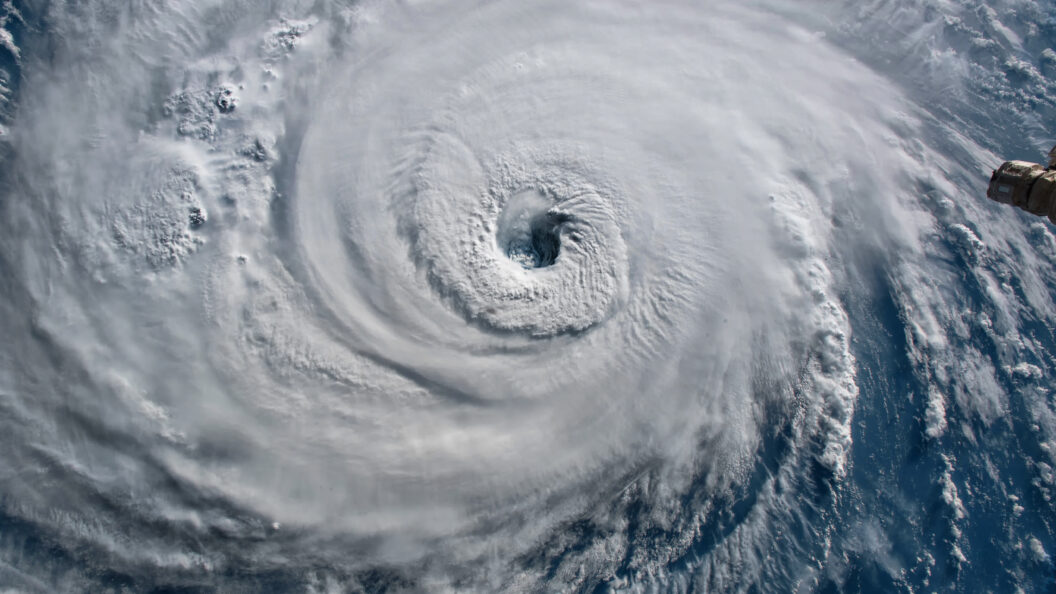
Hurricanes are among the most powerful and destructive forces in nature, capable of unleashing sustained winds over 150 miles per hour, torrential rainfall and massive storm surges that can devastate entire communities.
When hurricanes damage energy infrastructure, the consequences can be severe, from widespread power outages to fuel shortages that disrupt transportation and emergency services. For instance, in 2021, Hurricane Ida knocked out power to over a million customers across Louisiana and disrupted fuel supply chains for days.
For Energy Transfer, hurricane readiness is built into our DNA. We prioritize designing and maintaining our systems to operate safely in the most extreme weather conditions, from hurricanes to freezing temperatures. Not only do we construct and operate our pipelines in accordance with federal and state regulatory laws and standards, but we also go above and beyond, spending $1 billion in 2024 on maintenance initiatives to ensure the safety and integrity of our assets.
Preparation is key to success when severe weather strikes. At Energy Transfer, readiness is a year-round discipline. Our operations teams meet regularly to assess weather risks, fine-tune response logistics and ensure every asset is storm-ready.
When conditions are severe enough to impact employee response times, we proactively station personnel and supplies at key facilities ahead of the storm. This ensures we have boots on the ground where they are needed most to safeguard our assets and ensure they continue to operate regardless of Mother Nature.
Power reliability is another top priority. In anticipation of electrical outages, we have installed backup generators at many of our facilities capable of independently powering our sites. We also deploy specialized equipment like hot start engines, steam trucks and steam generators to support rapid response and recovery. And we maintain operational readiness by keeping key systems in standby mode, ensuring rapid activation when needed.
These hurricane protocols not only protect infrastructure – they help prevent environmental harm, keep local communities safe and ensure fuel availability for emergency responders.
Energy Transfer’s dedication to hurricane preparedness reflects our overall commitment to maintaining a culture of safety and compliance across all our operations. Because when the storm hits, our preparation ensures the lights stay on, the fuel keeps flowing and communities stay safe.
