
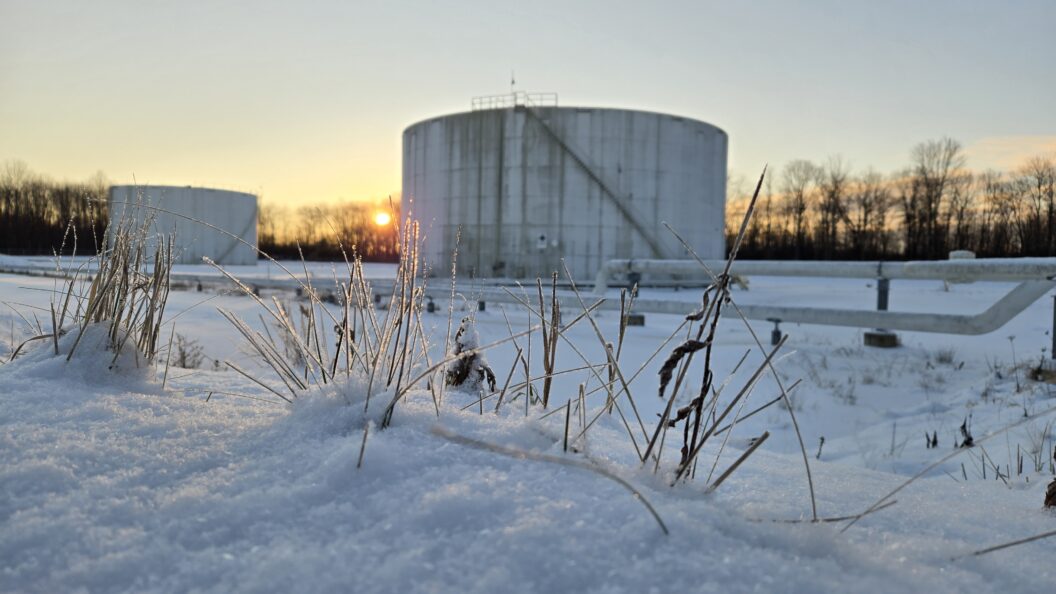
Energy Transfer is Ready for Whatever Winter Brings
Winter is on the way, and just as homeowners and drivers brace for colder weather, Energy Transfer has spent much of the year preparing.
Operating one of the nation’s largest energy infrastructure networks requires year-round planning to help ensure natural gas and other energy products continue moving safely and reliably, even during severe winter conditions. That means investing in infrastructure, technology and operational readiness long before the first cold front arrives.
While Energy Transfer designs, builds and operates its assets in accordance with federal and state regulatory requirements, it also invests millions of dollars in measures intended to strengthen resilience during extreme weather.
These preparations are designed to help the system operate reliably when winter weather creates challenges. Sub-freezing temperatures and snow and ice all lead to high energy demand, resulting in Energy Transfer’s teams working throughout the year to identify potential risks and prepare for a range of conditions before they occur.
Winter Preparations
Strengthening Facilities for Cold Weather: Many compressor stations and metering facilities are enclosed to help protect critical equipment from wind, snow and freezing temperatures. Heat-tracing systems are also installed along key portions of the system to help prevent freeze-related issues during prolonged cold weather.
Maintaining Power During Outages: Backup generators provide an additional layer of reliability, allowing facilities to continue operating if winter storms affect local power supplies.
Preparing Pipelines for Peak Winter Performance: Operational teams routinely run pipeline inspection gauges, commonly known as PIGs, through natural gas pipelines to remove accumulated liquids and condensation. Pipelines may also be treated with methanol, which acts as an antifreeze to help reduce the risk of ice formation.
Monitoring Operations Around the Clock: Energy Transfer uses a technology called Supervisory Control and Data Acquisition (SCADA) to continuously monitor its network. Real-time operational data helps teams quickly identify and respond to changing conditions, including pressure fluctuations that could signal freezing concerns.
Ensuring Operational Continuity: Preparing for winter is not just about technology and equipment. It also depends on planning and people.Ahead of major weather events, personnel may be positioned at key locations to support rapid response and maintain continuous operations. When demand increases during periods of extreme cold, Energy Transfer can withdraw natural gas from underground storage caverns and reroute supplies from other regions to help meet customer needs during periods of high demand.
Ready for Whatever Winter Brings
Winter weather can be unpredictable, but readiness should not be. Through ongoing investments in infrastructure, advanced monitoring systems and operational readiness, Energy Transfer works to enhance reliability across its network and support the safe delivery of energy when customers need it most.
When colder temperatures arrive, those preparations help ensure homes stay warm, businesses stay powered and communities continue to receive the energy they depend on. While no two winters are exactly alike, Energy Transfer’s focus on planning, investment and operational readiness helps it respond effectively to changing conditions.
